


BALANCING PROFIT AND PUBLIC GOOD
- newsroom46
- Jan 14
- 2 min read
Updated: Jan 21
RAY NOTHSTEIN SERIES, INTRODUCTION
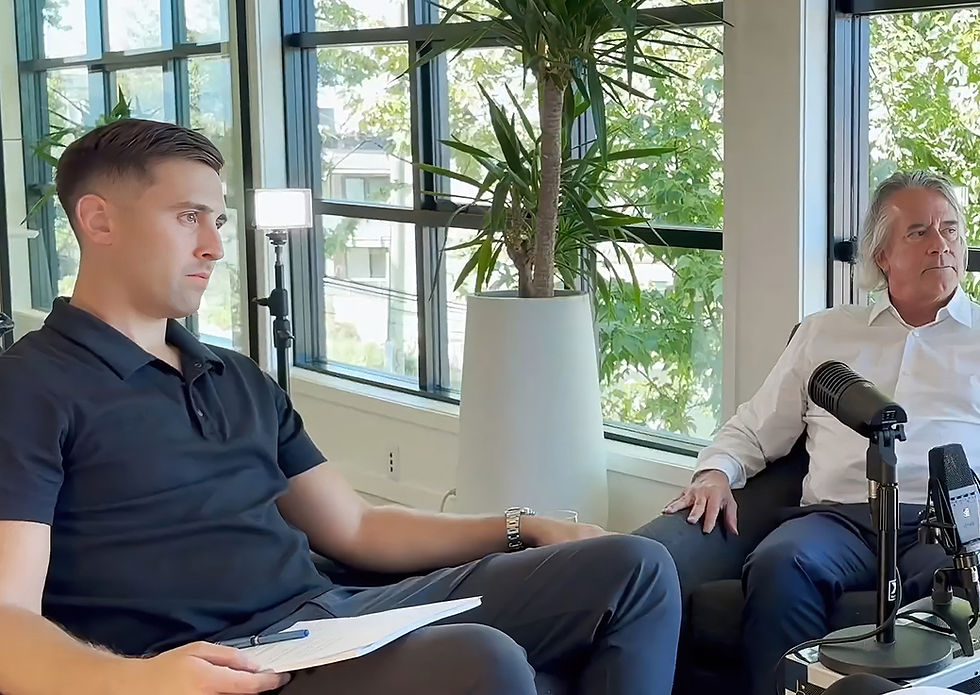
In a recent interview with the team from Placemark Newsroom, former Wesbild VP Ray Nothstein, a veteran Vancouver planner turned developer, shared his extensive experience and insights into the complexities of large-scale development and how they apply to the current housing supply and affordability crisis in Canada’s most expensive city.
Ray Nothstein has worked in both private and public sectors, always driven by a commitment to prioritize the public good. Throughout his extensive conversation with Placemark team Paul Fenske and Theo Finseth he emphasized that even in the private sector, decisions should be made with the community’s best interest in mind.
Nothstein’s journey took a significant turn when he joined the innovative team at Wesbild assembled to tackle the ambitious Burke Mountain project in Coquitlam. Building on past learnings from its pioneering Westwood Plateau masterplan, this venture marked a new era for Wesbild.
A key theme emerging from the interview is how to maintain the delicate balance between profitability and public benefit. Nothstein explained how Wesbild’s long-term vision has allowed for decisions that transcend short-term financial gains, focusing instead on the broader community impact. He noted that the company’s commitment to the long-term success of the Burke Mountain made it imperative to integrate the public good into their planning and implementation.
Collaborative decision-making emerged as another critical aspect of successful urban planning. Nothstein discussed how working closely with various stakeholders ensured that the project met
both economic and social objectives, a win-win that many industry observers believe is difficult, if not impossible, to achieve.
At a time when many are questioning the ability of developers to address the urgent need for affordable housing, this interview provides a deep dive into the strategic considerations and ethical responsibilities that underpin contemporary urban planning, offering valuable lessons for professionals and community leaders alike. Yet for all its emphasis on current challenges, it’s a conversation filled with humour, wit and goodwill, maybe not what you’d expect from a development industry heavyweight.


